

Services
9 min read
SPA pedicure

By Andreea Mădălina
Founder, Fata cu unghiile
A SPA pedicure is what you book when you want the foot care of a classic pedicure plus the wellness elements that turn the appointment into a slower, more deliberate experience. Paraffin wax dips, longer massage, aromatherapy oils, sometimes a mask. The technical work on heels and toenails is similar to a classic pedicure; the difference is in how much time gets spent on comfort and skin condition. It tends to be booked seasonally, often before summer, or as a treat rather than as a routine maintenance visit.
This article covers what's typically included in a SPA pedicure, how it differs from classic and semi-permanent versions, what to expect on time and cost, and when it tends to be worth booking.
What it is
A SPA pedicure (pedichiură SPA) is a classic pedicure with added wellness elements. The exact menu varies between salons, but the core idea is consistent: take the standard foot care work and pair it with treatments aimed at relaxation and deeper skin conditioning.
Common additions include a paraffin wax dip for the feet, a longer foot and lower-leg massage, aromatherapy oils in the soak or the massage step, hot stone work, and sometimes a hydrating or exfoliating foot mask. Some salons add a sugar or salt scrub that goes beyond the standard exfoliation step. Polish is usually optional rather than central; many SPA pedicures finish without polish at all, or with a clear coat for a natural look.
What separates SPA pedicure from premium classic pedicure is mainly the framing. Many salons offer enhanced classic pedicures that include some of these elements. SPA pedicure as a labelled service tends to package several of them together and lean into the relaxation experience.
How the appointment works
The appointment generally opens with a warm soak, often with bath salts or essential oils added. This step usually runs slightly longer than in a classic pedicure, ten to fifteen minutes or sometimes more, since soaking is part of the relaxation framing rather than just preparation.
Exfoliation follows. A scrub goes onto the feet and lower legs, sometimes with sugar, salt, or coffee grounds suspended in oil. The pedichiurist works it in by hand, which doubles as a brief lower-leg massage. This is usually more thorough than the quick exfoliation step in a classic pedicure.
Callus work uses a foot file with cream, similar to classic pedicure technique. The aim is to soften and reduce calluses without thinning healthy skin or the foot pad. A careful pedichiurist works gradually rather than aggressively.
The paraffin step, when included, is one of the most distinctive parts of the service. The pedichiurist dips each foot into a small bath of warm liquid paraffin a few times, building a wax layer over the skin. The feet are then wrapped in plastic and warm towels and left to rest for around ten to fifteen minutes. The paraffin holds heat against the skin and supports moisturiser absorption. When it's peeled off, the skin tends to feel softer.

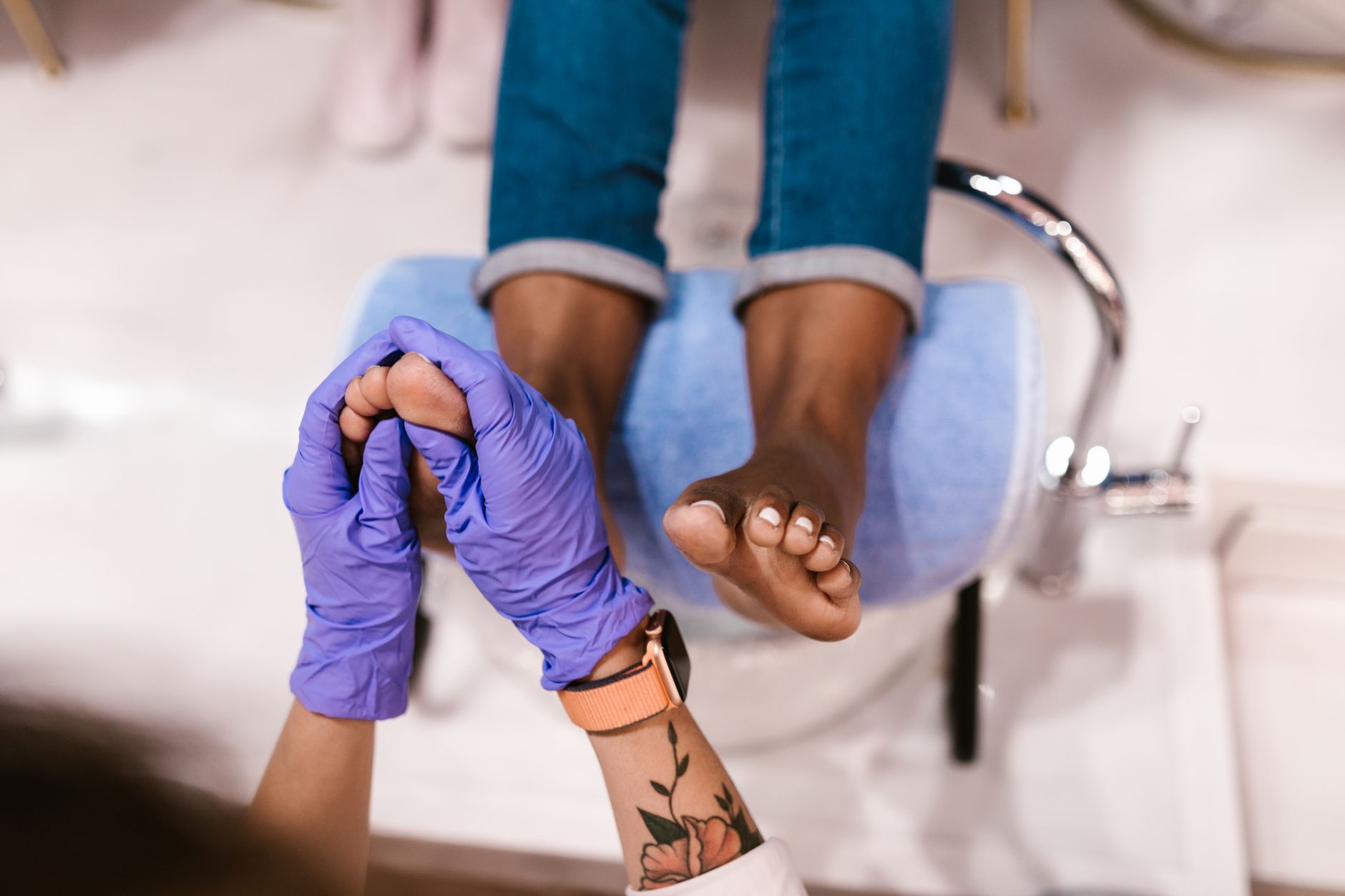
The massage in a SPA pedicure is usually noticeably longer than in a classic version. Fifteen to twenty minutes is common, sometimes longer, often covering both the foot and the lower leg up to the knee. Aromatherapy oils may be used. Some salons include hot stones placed on key points during the massage.
How long it takes
A SPA pedicure typically runs 75 to 100 minutes, longer than a classic pedicure (which is usually 45 to 60 minutes) but in roughly the same range as semi-permanent pedicure. Some premium versions stretch to two hours when paraffin, mask, and extended massage are all included.
Worth being aware of when booking: the time is part of the service, not extra effort to be rushed through. Booking a SPA pedicure when you have somewhere to be in 90 minutes tends to undercut the relaxation element. The appointment generally works best with a buffer afterward.
What it costs in Romania
Prices below are approximate ranges as of 2026. Treat them as orientation rather than authoritative; check with the specific salon for current pricing.
A SPA pedicure in Bucharest typically falls in the 130 to 220 RON range. Outside Bucharest, prices generally trend lower, with smaller cities often 20 to 30% below.
For comparison, classic pedicure in Bucharest usually runs 80 to 130 RON, and semi-permanent pedicure 110 to 170 RON. SPA pedicure sits at the upper end because of the longer appointment time and the additional consumables (paraffin, oils, scrubs, masks).
Adding semi-permanent polish to a SPA pedicure is sometimes possible and usually adds 30 to 60 RON over the base SPA price, though some salons frame these as separate services rather than combinable ones. Worth asking when booking.
Premium salons offering elaborate SPA experiences (longer massage, multiple masks, foot reflexology elements) can charge 250 RON or more. The line between SPA pedicure and a packaged wellness treatment is fuzzy at the higher end.
Who it's for
A few situations where SPA pedicure tends to fit well.
You want the relaxation as much as the foot care, and you have time to enjoy a longer appointment.
You're getting ready for sandal season and want both the cosmetic finish and the deeper skin conditioning that paraffin and extended massage can offer.
Your feet feel particularly dry, tired, or tense, and a longer session with masks and massage feels more useful than a quick visit.
You're booking the appointment as a treat, a gift, or part of a self-care occasion rather than as routine maintenance.
You want pedicure work without polish and would rather pay for the experience than for a colour finish.
It may not be the right choice if what you actually need is functional foot care on a tight schedule, in which case classic or express pedicure is more efficient. It's also not the right service for active foot conditions that need medical attention; medical pedicure or a doctor's visit is generally more appropriate for ingrown toenails, suspected fungal infections, or open wounds.
If you're pregnant, the call about whether SPA pedicure is a good fit is best made in conversation with your doctor, particularly around the paraffin step (which involves heat) and the use of essential oils (some of which are sometimes flagged as worth avoiding during pregnancy). Mentioning pregnancy when booking lets the salon plan around it. Diabetic clients should also check with their doctor before booking, since heat-based treatments and aggressive callus work can carry different considerations.

What to ask your pedichiurist
A few questions worth asking before booking.
What's actually included? SPA pedicure varies widely between salons. Some include paraffin and a long massage; others include a mask but only the standard massage; some treat SPA as marketing language with little additional content. Asking what's included before booking avoids disappointment.
How long does the appointment take? Useful for planning the rest of your day. A SPA pedicure that runs 90 minutes and one that runs 60 minutes are quite different services even if they share a name.
What oils do you use, and can I bring my own? Some clients prefer specific scents or have sensitivities to certain essential oils. Many salons accommodate requests if asked in advance.
Do you sterilise tools between clients? Reputable salons follow proper sterilisation protocols. Reasonable to ask if you're not sure. Tools coming from a sealed pouch or a visibly autoclaved tray is a good sign. If you have concerns about hygiene practices at any salon, that's a reason to choose a different one.
Is paraffin included? This is the most distinctive add-on, and not all SPA pedicures include it by default. If paraffin is the feature you're booking for, confirm in advance.
If your toenails have signs that might suggest fungal infection, mention it before booking. A careful pedichiurist may decline polish or suggest seeing a doctor first for diagnosis. This is generally a sign of a careful pedichiurist rather than a difficult one.
Care between appointments
Daily moisturiser on heels and feet, especially after showers. Foot cream with urea (10 to 25%) is often effective for callus-prone feet. The hydration boost from the paraffin step tends to fade within days; consistent home care extends the soft-skin feeling longer.
Wear shoes that fit. Tight or rubbing shoes create calluses faster than they can be removed at any pedicure, SPA or otherwise.
If polish was applied, a fresh top coat every week or two extends regular polish life on toenails.
For broader nail-care basics, see the foot-care notes within classic pedicure and the general healthy-nails fundamentals on the site.
If you notice an ingrown toenail starting (redness, soreness at the corner of the nail), don't try to dig it out at home. Book an appointment or see a doctor; home attempts often make things worse.
Common questions
Is SPA pedicure better than classic pedicure?
Different rather than better. The foot care work is broadly similar; the experience is what differs. SPA pedicure trades efficiency for relaxation. If you book pedicures mainly for functional foot care on a regular schedule, classic pedicure is usually the more practical choice. If you want the appointment to feel like a wellness session, SPA pedicure can be worth the additional time and cost.
Do I have to get polish with a SPA pedicure?
No. Many clients finish without polish or with just a clear coat. The polish layer is optional in most salons; check when booking if you want to skip it.
What does the paraffin actually do?
The warm wax holds heat against the skin while it cools, which can support moisturiser absorption and may help soften rough skin. The effect is usually noticeable immediately but tends to fade within a few days. It's a comfort-focused step rather than a long-lasting treatment.
Can I get SPA pedicure with semi-permanent polish?
Sometimes, depending on the salon. Some salons offer a combined version; others treat them as separate services. The paraffin step and gel polish curing are not usually combined in a single appointment because the wax can interfere with gel adhesion if it's done before polish. Worth asking about flow and timing when booking.
How often should I book SPA pedicure?
Less frequently than classic or semi-permanent pedicure, generally. Many clients book SPA pedicure seasonally (before summer, before a holiday, around a birthday or anniversary) and stick to classic or semi-permanent for routine maintenance. Personal preference and budget vary.
Is the massage part standard or optional?
The extended massage is usually one of the defining features of SPA pedicure, but length and inclusion vary by salon. Worth confirming when booking if the massage is the main reason you're choosing SPA over classic.
Bottom line
SPA pedicure can be a good choice when you want pedicure work paired with relaxation rather than just functional foot care. The added paraffin, longer massage, and aromatherapy elements turn a straightforward appointment into something more deliberate. Many people find it worth booking seasonally or as an occasional treat rather than as routine maintenance, with classic or semi-permanent pedicure filling the gap in between.